
HIP IMPLANT TESTING
The Instituto de Biomecánica (IBV) is a benchmark in the evaluation of hip implants, offering specialized tests to assess their safety, mechanical strength, and functional performance as well as to improve their design. As a recognized authority, we are the only laboratory in Spain accredited by ENAC to perform femoral stem testing in accordance with ISO 7206-4, highlighting our excellence and technical competence.
Hip implants are composed of multiple components, each with specific biomechanical functions and requirements. At IBV, we carry out tests tailored to each component, evaluating their durability, mechanical interaction, and load-bearing behavior.
Through our testing, we help manufacturers optimize product design and ensure regulatory compliance before market launch.
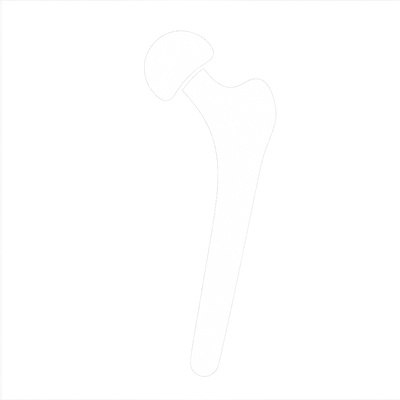
FEMORAL STEM TESTING
Femoral stems are a key structural element in hip prostheses, designed to support body weight and efficiently transfer loads to the femur. At IBV, we conduct tests to analyze their mechanical strength, fatigue behavior, and stability under dynamic loading — and we are the only laboratory accredited by ENAC to determine fatigue properties according to ISO 7206-4.
- Fatigue properties testing of femoral stems (ISO 7206-4), ENAC accredited: Fatigue resistance testing of femoral components under repetitive loads. A key test for certifying hip prostheses in line with international standards.
- Femoral stem fatigue resistance testing in the neck (ISO 7206-6): Assessment of fracture resistance in the transition zone between the implant body and the femoral head.
- Compression and static load tests: Determination of the maximum load limit before structural failure.
Static compression test: Evaluation of the stiffness and structural stability of the stem.
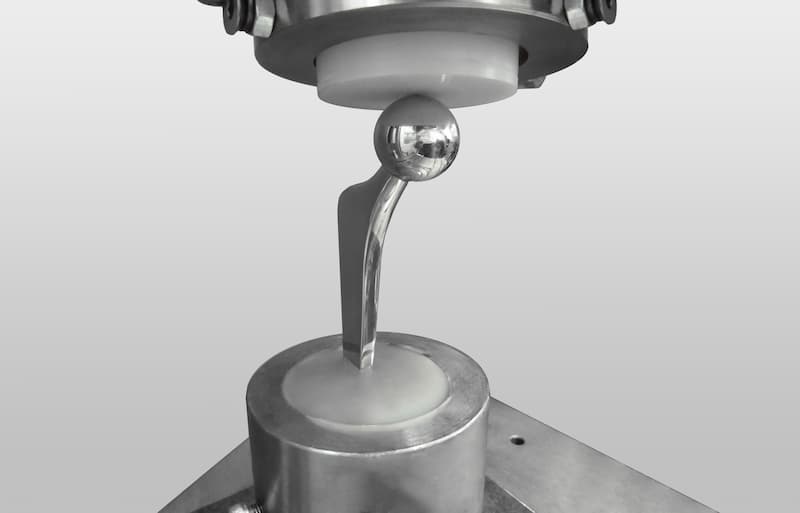
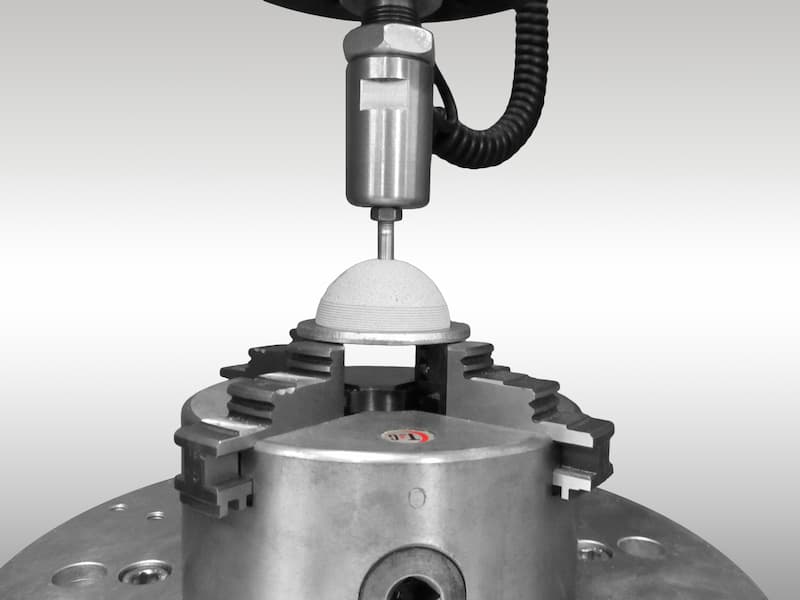
ACETABULAR COMPONENT (COTYLE) TESTING
The acetabular component (or cotyle) is the part of the hip prosthesis implanted in the pelvis, serving as the articulation surface for the femoral head. Proper fixation and mechanical strength are essential to ensure long-term stability of the hip prosthesis.
These tests ensure that the acetabular component provides a stable and durable base for hip articulation.
- Modular fixation strength testing (ASTM F1820): Evaluation of the resistance of the interface between the shell and its insert.
- Fatigue testing of metal acetabular components (ASTM F3090): Measurement of the component’s resistance under repeated physiological loading conditions.
- Acetabular device load testing: Simulation of mechanical stresses exerted on the implant during daily patient activities.
FEMORAL HEAD AND MODULAR CONNECTION TESTING
Femoral heads are the components of the hip prosthesis that articulate with the acetabular cup. At IBV, we carry out tests to validate their strength and stability, ensuring secure fixation to the femoral stem.
- Static load resistance test (ISO 7206-10): Determination of the force required to cause fracture or dislocation of the femoral head.
- Taper interface evaluation (ISO 7206-13): Measurement of the torque required to loosen the head from the femoral stem.
- Axial disassembly tests (ASTM F2009): Assessment of the force needed to separate the femoral head from its taper connection.
These studies are critical to analyzing femoral head stability and preventing loosening or failure of the prosthetic joint.
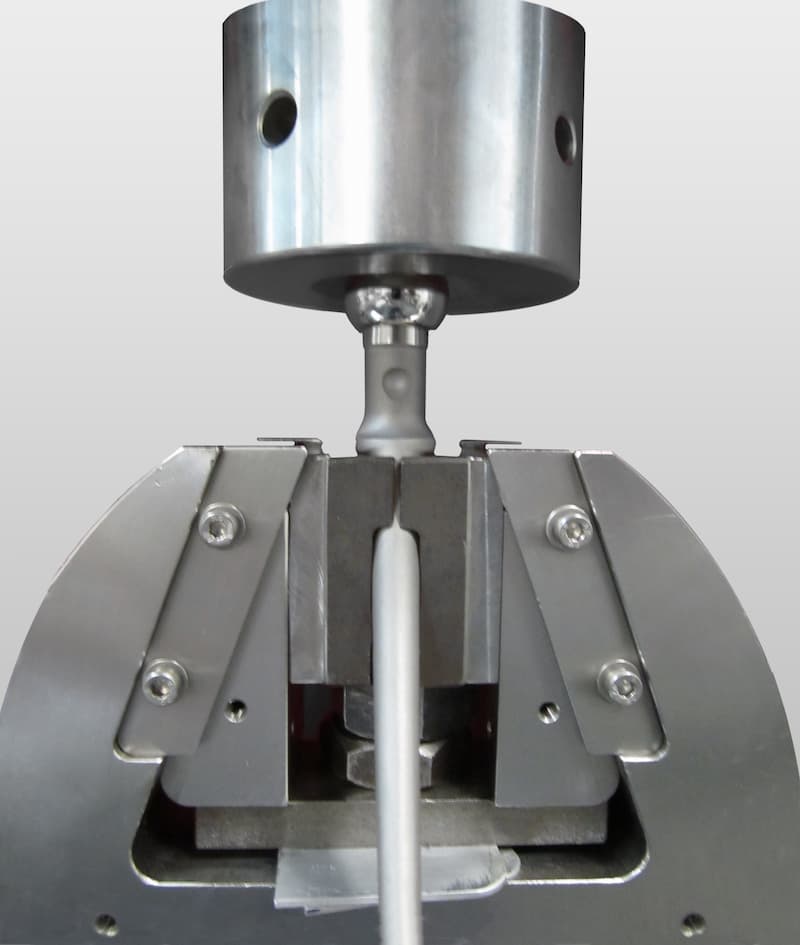
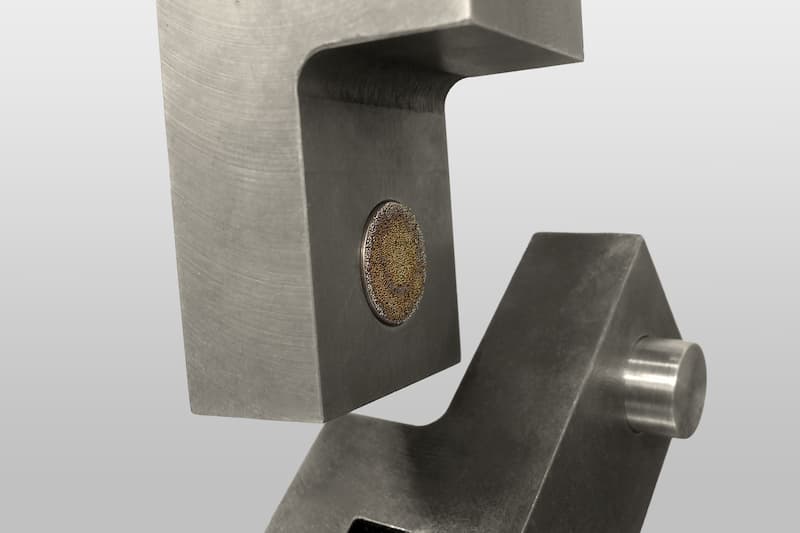
COATING AND SURFACE ADHESION TESTING
Many hip implants incorporate special surface coatings to enhance osseointegration or reduce material wear. At IBV, we evaluate the strength and adhesion of these coatings through specialized testing.
- Tensile adhesion testing of metallic and calcium phosphate coatings (ASTM F1147): Assessment of coating adhesion to the metallic substrate of the implant.
- Shear testing of ceramic and metallic coatings (ASTM F1044): Measurement of the coating’s resistance to shear forces.
These tests help verify the quality and durability of surface treatments applied to hip implants.
WHY CHOOSE IBV FOR HIP IMPLANT TESTING
Evaluating hip implants requires a combination of structural analysis, biomechanical studies, and materials testing to ensure that implants remain safe and effective over time.
At IBV, we offer:
- The only laboratory accredited by ENAC for femoral stem testing of 519/LE1105 hip implants.
- Traceability of measurements to national and international standards, ensuring the reliability of test results for third parties and public authorities.
- A quality management system based on ISO 17025, under which all testing activities are conducted.
- Mechanical testing laboratory: Equipped with advanced technology to assess implant strength and fatigue resistance.
- Human movement laboratory: Specialized in biomechanical studies to analyze the implant–bone interaction.
- Team of experts in biomechanics and biomaterials: With extensive experience in the validation and optimization of surgical implants.
- Customized methodology based on manufacturer needs: We design tailored test protocols according to the implant’s specific features.
- Strategic analysis and technical recommendations: Every test includes insights to enhance device performance prior to market launch.
- Specialized resources and qualified personnel to support companies in conformity assessment and regulatory compliance, including CE marking processes.
Contact our technical team
Discover how our testing services can help you validate and optimize your hip implant.